UnderSelf editorial desk · September 17, 2026 · 2 min read · Source: PsyPost
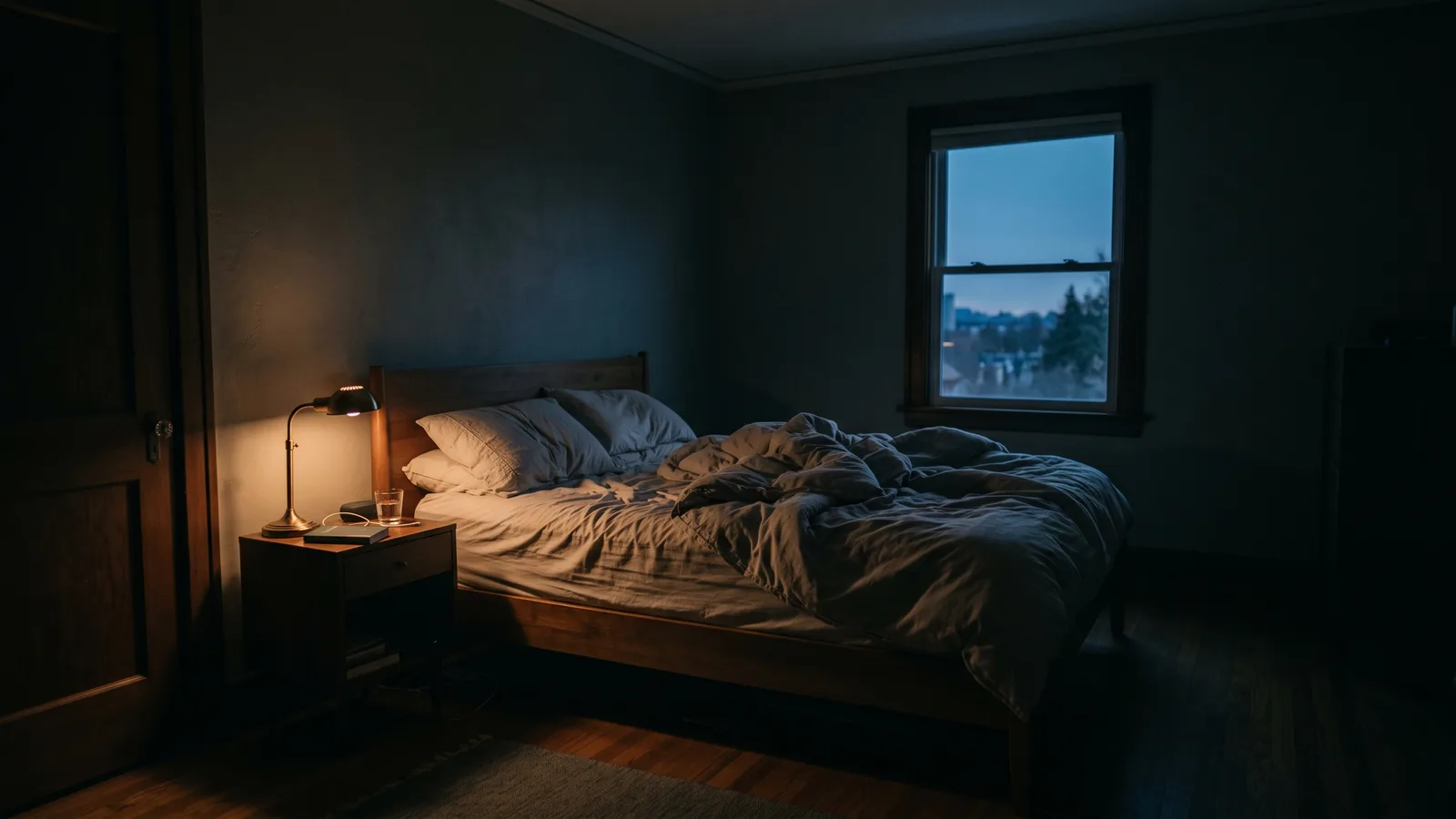
A survey out of Heidelberg University, reported by PsyPost on September 6, 2026, asked 411 adults, mostly psychology students with an average age of 28, how they handle a nightmare after they wake up. Researchers Julia Wiesenthal and Michael Schredl matched eight coping strategies, among them talking about the dream, writing it down, and picturing a different ending while awake, against each person's Big Five personality scores.
Only one of the researchers' three main predictions held up cleanly: people higher in extraversion were more likely to talk about a nightmare out loud. Other patterns turned up anyway. People higher in openness were more likely to write or draw what they had dreamed. People higher in neuroticism were more likely to seek outside support for it. And across nearly everyone, talking about the dream, to anyone, came out as the single most common response and the one people rated most helpful.
What is interesting here is not that personality shapes coping (that is true of almost everything) but which trait paired with which strategy. Openness pairs with staying curious about the material itself, so writing or drawing it fits. Extraversion pairs with processing out loud, so telling someone fits too. Neither trait has much to do with how upsetting the dream actually was. The honest caveat: this is a self-report survey of a young, mostly-student sample from one country and one moment in time. It says what people report doing, not what actually helps any one of them, and it cannot describe your pattern from the outside.

You probably already know your own version of this without a questionnaire. Some people wake from something upsetting and want to say it out loud before the day even starts. Others would rather write it down, or just let it fade on its own. Which one are you when a dream follows you past breakfast, and has that changed over the years?
Curious what one of yours actually means?
Try a free reading →