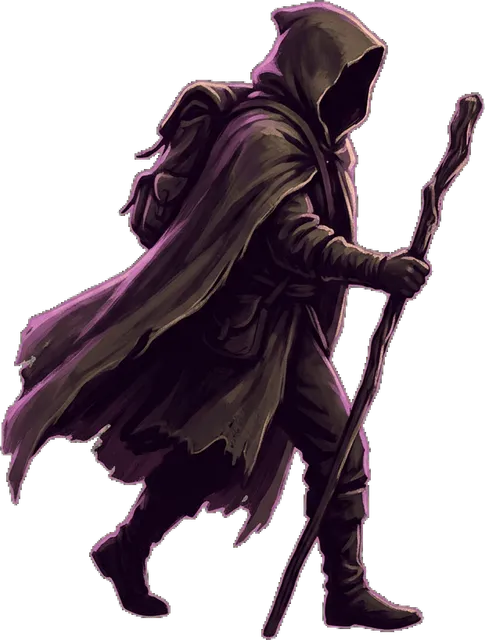
Who you are
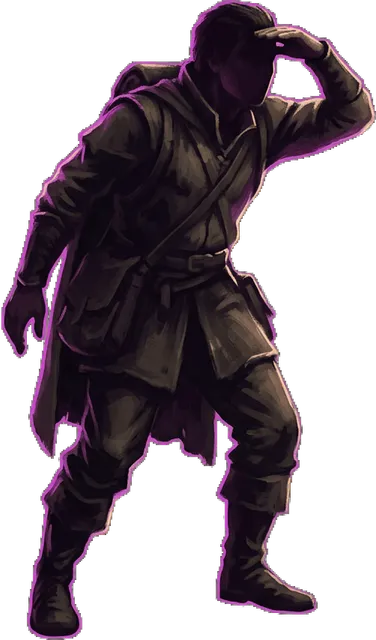
You need room to roam. You feel most like yourself on the move, with no one telling you where to go.
Your strength
You are independent and brave on your own. You find your own way.
Your shadow side
You may drift away from people just when they want you close.
What your dreams often say
Your dreams are full of roads, trains, airports and long walks. They ask where you are really going.
The Wanderer with a friend
Send a friend the test. When they finish, you both see your two archetypes side by side. Here is how The Wanderer gets on with each of the eight.
Two of a kind: The Wanderer and The Wanderer
Two free spirits. You understand each other’s need for space. The best trips of your life could be the ones you take together.
The Wanderer and The Shadow
Two quiet souls who need space. You give each other room and still understand each other without many words.
The Wanderer and The Child
Two free spirits who are not big on rules. Any day with you two can turn into a small adventure.
The Wanderer and The Sovereign
The Sovereign builds a home, the Wanderer hits the road. You teach each other that roots and wings both matter.
The Wanderer and The Sage
Two quiet minds. The Wanderer walks, the Sage thinks, and you both love a long silence that feels good.
The Wanderer and The Lover
One of you needs the open road, the other needs closeness. Together you learn that love can travel.
The Wanderer and The Explorer
Born for the road. You both get bored sitting still. Plan a trip together, or better, do not plan it at all.
The Wanderer and The Warrior
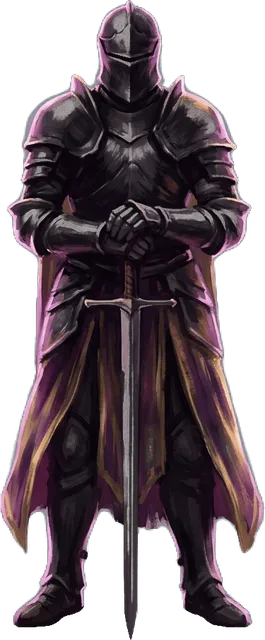
The Warrior stands and fights, the Wanderer knows when to walk away. Together you pick the battles that matter.
The other seven
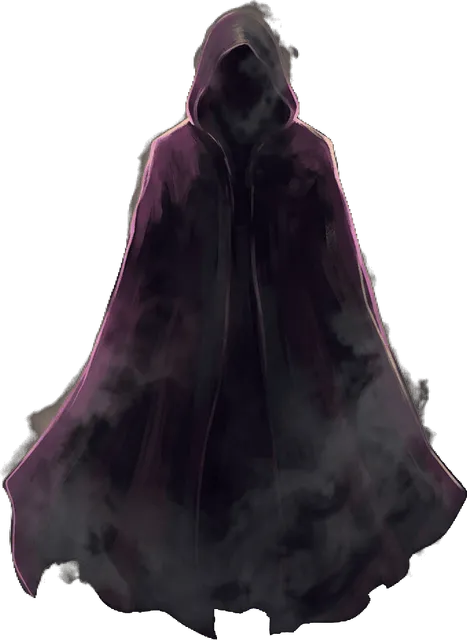
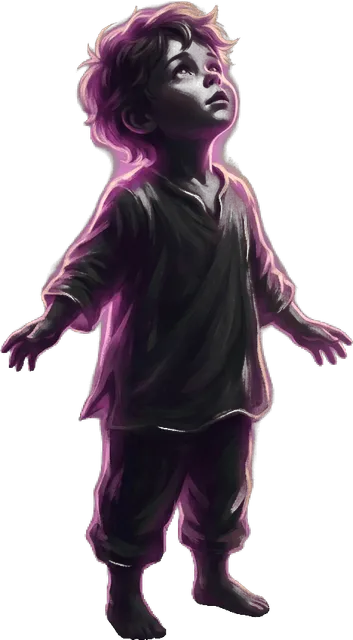

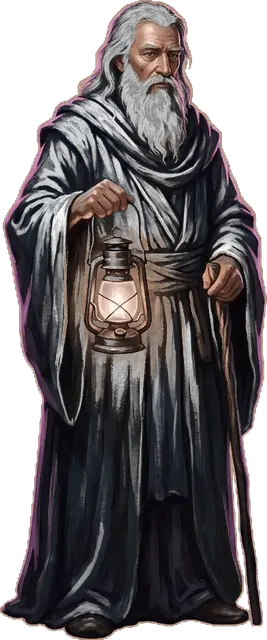

Which one leads you?
Find your archetype
Ten everyday questions, about two minutes, no signup. You see your archetype, your strength and your shadow side right away.
Dreams that often come with the Wanderer
Archetypes often show up in dreams. Read the dream meanings library, or tell UnderSelf a dream and see what it says about you.
The Inner Map is a reflective tool inspired by Jung, not a clinical test.